
craps tournament strategy 2026
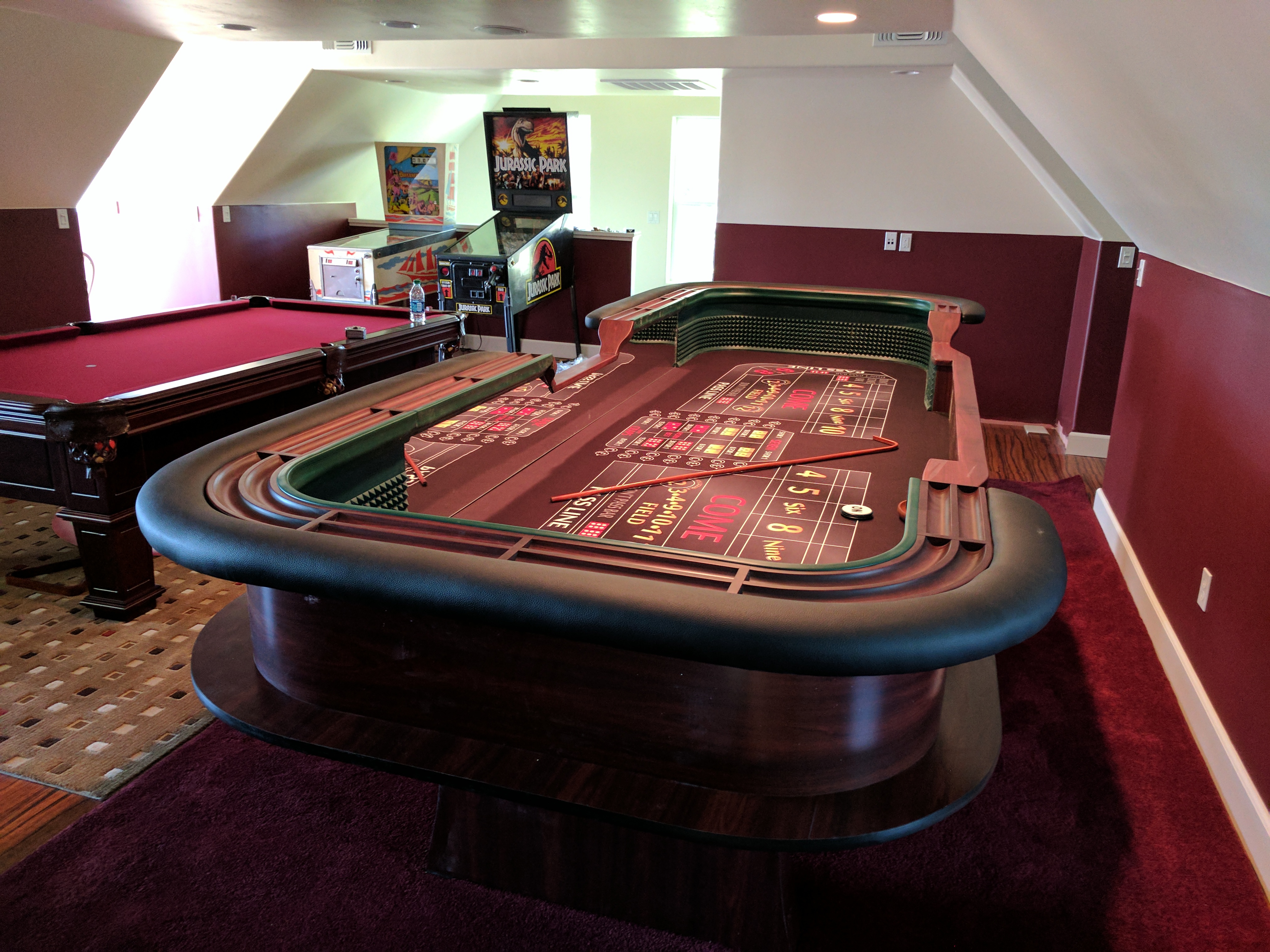

Unlock the hidden tactics of craps tournament strategy. Learn bankroll control, bet timing & psychological plays that actually work.>
Craps Tournament Strategy: The Ultimate Guide to Outplaying the Field
Forget everything you think you know about rolling dice in a casino. Craps tournament strategy isn't just about knowing the difference between a Pass Line and a Hard Eight. It’s a high-stakes, time-pressured, head-to-head battle where your decisions directly impact your ranking against other players—not just the house edge. This guide cuts through the noise and delivers actionable, field-tested tactics for navigating the unique chaos of a craps tournament.
The core premise is simple: you start with a fixed bankroll (often $500 or $1,000 in chips) and have a limited number of rolls (typically 3 to 5) to build the largest stack possible. The player with the most chips at the end wins. But within that simple framework lies a complex web of risk management, psychological warfare, and strategic aggression that separates winners from the crowd.
Why Standard Craps Strategy Fails in Tournaments
In a regular cash game, your goal is longevity. You make low-house-edge bets like the Pass Line with full odds, grind slowly, and avoid the sucker bets that bleed your bankroll dry over time. A tournament flips this logic on its head. Time is your enemy. A conservative, “smart” approach will leave you with a middling stack while aggressive players surge ahead.
You are not playing against the house; you are playing against the leaderboard. If you’re in last place on your final roll, a bet with a 20% chance of a 10x return is a brilliant move—even if it has a terrible long-term expected value. In a tournament, survival past the current round is the only metric that matters. This fundamental shift in objective demands a complete overhaul of your betting philosophy.
The Aggression Matrix: When to Go All-In
Your level of aggression should be a direct function of two variables: your current chip count relative to the leader and the number of rolls remaining. This creates a dynamic decision matrix.
- Early Rolls (Rolls 1-2): Focus on building a solid foundation. Stick to bets with a reasonable balance of win probability and payout. A common play is to place the 6 and 8, which hit frequently and pay 7:6. Avoid proposition bets here; their volatility is too high when you have ample time to recover from a loss.
- Middle Rolls (Roll 3): This is the pivot point. Assess the leaderboard. If you’re near the top, you can afford to be slightly more conservative to protect your position. If you’re in the middle or bottom, you must start taking calculated risks. Consider Come bets or Place bets on the 5 and 9 for higher payouts.
- Final Roll(s): This is where tournaments are won and lost. Your strategy is dictated entirely by your position:
- Leading: Play defensively. Make a small, safe bet (e.g., a minimum Pass Line) to simply stay in the lead. Do not give other players a chance to overtake you.
- Trailing: Go for broke. Your only path to victory is a high-variance bet. The best options are usually the Hard Ways (Hard 4, 6, 8, or 10) or a large Hop bet on a specific combination (e.g., 3-3). These have terrible odds but offer the massive, immediate payout needed to jump the leaderboard.
What Others Won't Tell You
Most online guides peddle generic advice that sounds good but fails in the pressure cooker of a real tournament. Here are the uncomfortable truths they omit.
The "Chip Dump" Gambit
A little-known but devastatingly effective tactic involves a coordinated effort between two players at the same table. One player, who is already eliminated from winning, will intentionally make large, reckless bets on their final rolls. Their goal isn’t to win, but to lose their entire stack as quickly as possible. Why? Because in many tournament formats, your final score is your chip count plus any unused starting chips from other players at your table. By dumping their chips into the pot (which the house effectively takes), they reduce the total pool, making it easier for their ally to win with a lower absolute chip count. While ethically dubious and often against tournament rules, it’s a real-world pitfall you must be aware of.
The Dealer's Pace is Your Clock
Your official "roll" doesn't end when the dice stop. It ends when the dealer has paid out all winning bets and collected all losing ones. A slow, meticulous dealer can eat up precious seconds, especially on a crowded table with complex bets. A fast, efficient dealer gives you more mental space. Never assume you have a full minute per roll; always be ready to make your next bet the moment your previous one is resolved.
The Illusion of the "Hot Shooter"
In a cash game, a long roll is a gift. In a tournament, it’s a double-edged sword. If you are the shooter on a hot streak, you have a golden opportunity to build a massive stack. However, if you are not the shooter and someone else is on a heater, you are at a severe disadvantage. You are forced to watch your competitors’ stacks balloon while you can only make passive bets. There is no way to capitalize on another player’s hot roll. This makes the order of shooting—a factor completely outside your control—a significant element of luck in the tournament structure.
Bankroll Mismanagement on a Micro Scale
Your tournament bankroll isn’t just your starting chips; it’s your allocation per roll. Blowing your entire stack on your first roll because you got greedy is the most common amateur mistake. A smarter approach is to mentally divide your bankroll. For a 5-roll tournament, you might allocate 15% for roll 1, 20% for roll 2, 25% for roll 3, and then reserve 40% for the final two rolls where the real action happens. This ensures you always have ammunition for the critical endgame.
The Psychological Tax of the Leaderboard
Constantly checking the leaderboard is a recipe for disaster. It induces panic, leading to overly aggressive bets when you’re slightly behind or overly cautious when you’re slightly ahead. The best tournament players focus solely on their own table and their own strategy. They check the leaderboard only at the end of a roll to make a clear, unemotional decision for the next one. Emotional betting is the fastest route to elimination.
Bet Comparison for Tournament Play
Not all craps bets are created equal in a tournament setting. The table below breaks down key bets based on their suitability for competitive play.
| Bet Type | House Edge | Payout | Hit Frequency | Volatility | Tournament Suitability |
|---|---|---|---|---|---|
| Pass Line | 1.41% | 1:1 | ~49.3% | Low | Poor (Final roll only for leaders) |
| Place 6 or 8 | 1.52% | 7:6 | ~45.5% | Low-Med | Good (Early/Mid rolls) |
| Place 5 or 9 | 4.00% | 7:5 | ~40.0% | Medium | Good (Mid rolls for catch-up) |
| Hard 6 / Hard 8 | 9.09% | 9:1 | ~13.9% | Very High | Excellent (Final roll for trailers) |
| Any 7 | 16.67% | 4:1 | ~16.7% | High | Fair (Final roll desperation) |
| Hop Bet (e.g., 3-3) | ~11.11%+ | 30:1 | ~5.6% | Extreme | Excellent (Final roll for deep trailers) |
| Big 6 / Big 8 | 9.09% | 1:1 | ~45.5% | Low | Terrible (Worse than Place bets) |
This table highlights the core principle: in a tournament, you often need to abandon low house edge for high volatility, especially as the clock winds down.
The Final Roll: Your Moment of Truth
Everything culminates here. Your heart is racing, the table is silent, and your entire tournament hinges on a single decision. This is where preparation meets execution.
First, calculate the exact amount you need to win to take the lead. Don’t just guess. If the leader has $2,500 and you have $1,000, you need a net gain of at least $1,501. Now, look at your betting options.
- If you need a modest gain (e.g., 2x your current stack): A large Place bet on the 6 or 8 might suffice. It’s relatively safe and gives you multiple ways to win.
- If you need a huge gain (e.g., 5x or more): You must go for a long-shot proposition bet. A Hop bet on a specific easy way (like 4-2) pays 15:1, while a hard way (like 3-3) pays 30:1. The math is brutal, but it’s your only option. Put your entire remaining stack on it. There is no point in hedging; a partial win still leaves you in second place.
Remember, on your final roll, there is no tomorrow. Play to win, not to minimize your loss.
Conclusion
A successful craps tournament strategy is a fluid, adaptive system built on three pillars: disciplined bankroll allocation across rolls, a ruthless understanding of your position on the leaderboard, and the courage to embrace high-variance bets when the situation demands it. It requires you to shed the cautious mindset of a cash game player and adopt the bold, decisive thinking of a competitor. By mastering the aggression matrix, avoiding the hidden pitfalls, and making cold, calculated decisions on that final, critical roll, you can transform from just another player at the table into a tournament champion. The dice may be random, but your strategy doesn’t have to be.
What's the biggest mistake beginners make in craps tournaments?
Playing like it's a cash game. They focus on minimizing the house edge with safe bets like Pass Line and Place 6/8 throughout all their rolls. This conservative approach almost guarantees they'll finish with an average stack, far behind the aggressive players who took smart risks in the middle and final rounds.
Is it ever smart to bet on the Don't Pass line in a tournament?
Almost never. While the Don't Pass has a slightly lower house edge, it works against the natural flow of the table. More importantly, it's a contract bet that often takes multiple rolls to resolve. In a tournament where you only get 3-5 rolls total, you cannot afford to tie up your bankroll in a bet that might not settle until your time is up.
How important is my position at the table (shooting order)?
It's a significant, uncontrollable element of luck. Being the shooter on your final roll is a massive advantage because you control the pace and can keep rolling if you don't seven-out. Conversely, being last to shoot means you have the most information about what you need to win, but no control over the dice. There's no strategy to choose your spot; you must adapt to whatever you're given.
Should I take odds behind my Pass Line bet in a tournament?
Generally, no. While odds bets have no house edge, they also don't increase your potential payout ratio in a way that helps with the tournament's goal. They simply increase your total money at risk without giving you a better chance at a massive, leaderboard-jumping score. Your chips are better deployed on higher-payout Place or Proposition bets.
Can I practice craps tournament strategy online for free?
Yes, several reputable online casinos and gaming sites offer free-play craps tables. While they don't replicate the exact timed, multi-player tournament format, you can practice the core mechanics: managing a fixed bankroll, placing various bets under time pressure, and simulating the high-stakes feeling of a final roll. Just remember that the social and competitive dynamics of a live tournament are impossible to fully replicate digitally.
What's the best way to track my bankroll during the fast pace of a tournament?
Keep it simple. Use a mental accounting method. Before each roll, know exactly how many chips you have left and what your target allocation for that roll is. Physically stack your chips in groups that represent your planned bet sizes for each roll phase (early, mid, late). This visual cue prevents you from accidentally betting too much too soon in the heat of the moment.
Telegram: https://t.me/+W5ms_rHT8lRlOWY5
Appreciate the write-up. The explanation is clear without overpromising anything. A short example of how wagering is calculated would help.
Question: Do withdrawals usually go back to the same method as the deposit?
Question: Is there a way to set deposit/time limits directly in the account?
Easy-to-follow explanation of live betting basics for beginners. The sections are organized in a logical order.