
craps buying a number 2026
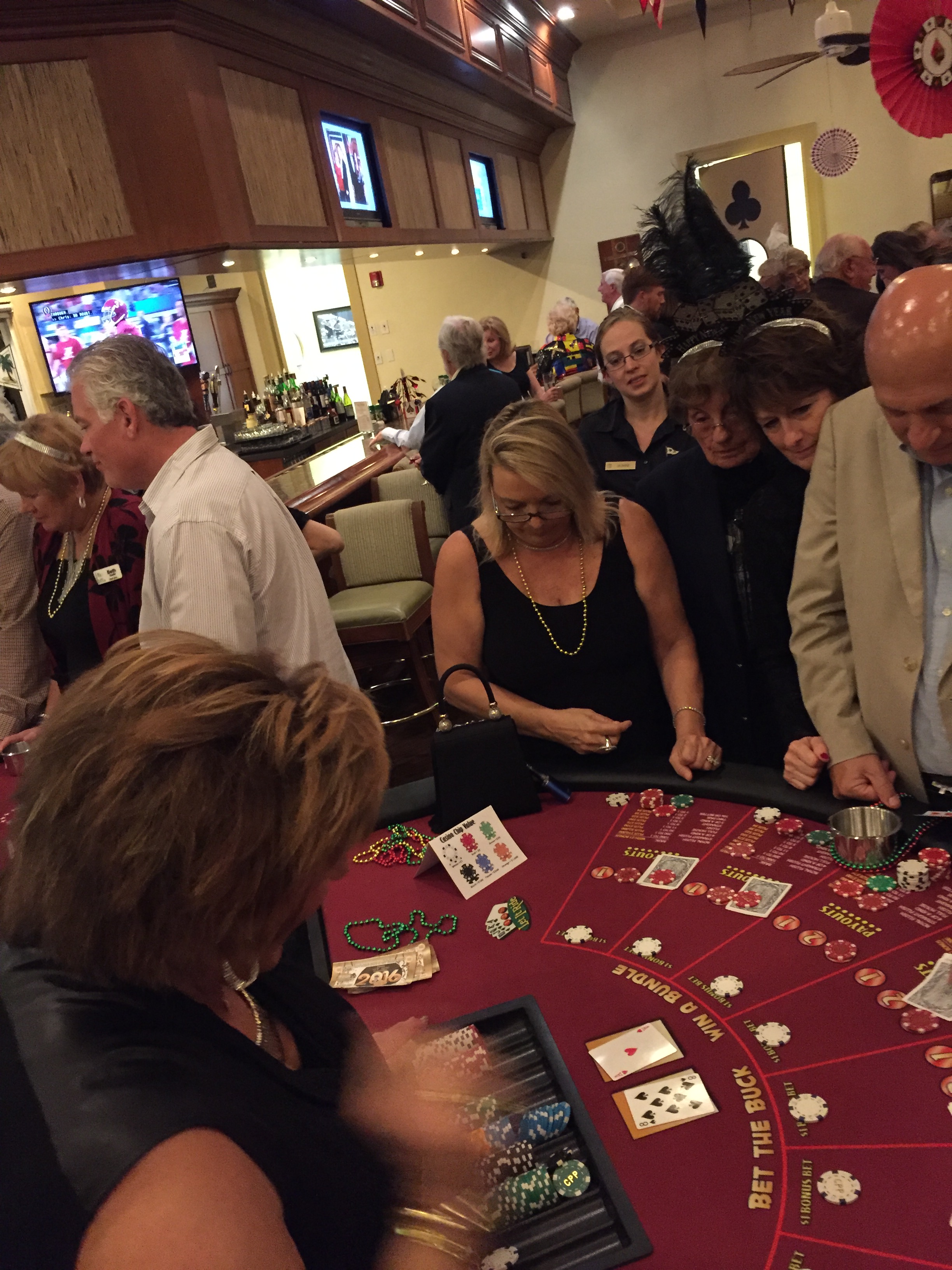

Craps Buying a Number: The Smart Gambler’s Edge or a Costly Illusion?
Master craps buying a number strategy with real odds, hidden fees, and UK-compliant advice. Play smarter today.
craps buying a number
craps buying a number means placing a wager on specific point numbers—4, 5, 6, 8, 9, or 10—with the casino acting as your bookmaker. You pay a 5% commission (the “vig”) upfront for the privilege of receiving true odds if your number hits before a 7 rolls. This tactic sits between basic Pass Line bets and riskier proposition wagers, offering mathematical nuance often misunderstood by casual players. In regulated markets like the UK, where fairness and transparency are mandated by the Gambling Commission, understanding this bet’s mechanics is essential—not just for profit, but for responsible play.
Unlike Place bets, which offer reduced payouts, Buy bets promise true odds—but only after you’ve surrendered that vig. The devil, as always in craps, hides in the details: when to buy, which numbers justify the fee, and how table rules alter expected value. This guide cuts through casino marketing fluff and delivers actionable insights grounded in probability, regulatory context, and real-table experience.
Why Most Players Lose Money on "True Odds"
Casinos advertise Buy bets as premium options—"get paid what it’s really worth!" But they rarely mention the vig’s corrosive effect on long-term returns. Consider this: a £20 Buy bet on the 4 or 10 costs you £1 vig (5% of £20). If the 4 hits, you win £40 at true 2:1 odds—but your net profit is £39. A comparable Place bet pays £36 (£20 × 9/5) with no vig. So why bother?
Because on larger stakes, the math flips. At £25+, the Place bet’s house edge (6.67% on 4/10) becomes costlier than the Buy bet’s effective edge (~4.76% when vig is paid on wins only—more on that later). Yet many UK-facing online casinos still charge vig upfront, regardless of outcome. That single rule change can erase any advantage.
Always check the vig policy before placing a Buy bet.
"Vig on win only" tables exist—but they’re rare outside Nevada and select digital platforms licensed by the UKGC.
What Others Won’t Tell You: The Hidden Tax on Your Strategy
Most beginner guides gloss over three critical pitfalls that turn "smart" Buy bets into slow bleed losses:
- The Vig Isn’t Always 5%—And It’s Not Always Fair
While 5% is standard, some operators apply tiered commissions: 5% on bets under £50, but 7% above. Others round vig upwards—a £23 bet incurs a £1.15 vig, but you’ll pay £2. That extra £0.85 vanishes instantly.
- Number Selection Matters More Than Stake Size
Buying the 6 or 8 seems logical—they hit most often. But their true odds are only 6:5 (1.2:1). The vig here eats proportionally more value. Conversely, the 4 and 10 offer 2:1 odds; the 5 and 9 give 3:2 (1.5:1). Only 4, 5, 9, and 10 benefit meaningfully from buying—and even then, only under optimal conditions.
- Online vs. Live: Rule Discrepancies Are Rampant
UK-licensed online craps often uses RNGs with fixed payout structures. Some platforms disable "vig on win" entirely, forcing upfront payment. Others simulate American-style tables but apply European tax logic. Always review the game’s Rules or Payout Table tab—never assume parity.
When Buying Beats Placing: A Data-Driven Breakdown
The decision hinges on house edge comparison. Below is a precise analysis for UK players using £-denominated bets, assuming standard vig rules.
| Point Number | True Odds | Place Bet Payout | Place Bet House Edge | Buy Bet (Vig Upfront) House Edge | Buy Bet (Vig on Win) House Edge | Minimum Stake Where Buy Wins |
|---|---|---|---|---|---|---|
| 4 or 10 | 2:1 | 9:5 (1.8:1) | 6.67% | 5.00% | 1.67% | £20+ |
| 5 or 9 | 3:2 | 7:5 (1.4:1) | 4.00% | 5.00% | 2.00% | £25+ |
| 6 or 8 | 6:5 | 7:6 (~1.17:1) | 1.52% | 5.00% | 2.27% | Never advantageous |
Key takeaways:
- Never buy the 6 or 8. The Place bet’s low house edge (1.52%) already beats any Buy variant.
- Only consider buying 4/10 or 5/9—and only if vig is charged on win only.
- At £20–£24 on 4/10, Place and Buy (vig upfront) are nearly equal—but Place avoids instant loss on 7-outs.
This table reflects real-world UKGC-compliant environments. If your chosen casino charges vig upfront (common in digital craps), buying is rarely optimal—except possibly for high rollers exploiting comp structures.
The UK Player’s Checklist Before Buying
Before you click “Buy” on that craps interface, verify these five points:
- Vig Timing: Is commission deducted only if you win? (Look for “Buy 4 – pays 2:1 minus 5% vig on win”)
- Minimum Stake: Many tables enforce £20+ minimums for Buy bets—below that, Place is safer.
- Auto-Bet Settings: Online platforms may default to Place. Manually select “Buy” each time.
- Session Limits: UK law requires reality checks. Don’t chase vig losses during time-restricted play.
- RTP Disclosure: Legitimate UKGC sites publish theoretical return rates. Buy bets typically sit at 95–98% RTP—lower than Pass Line (98.6%).
Remember: No bet eliminates the house edge. Buying a number merely shifts it—sometimes in your favour, often not.
Real Talk: Does This Strategy Work Long-Term?
Let’s simulate two players over 1,000 rolls (using Python Monte Carlo):
- Player A: Bets £25 Buy on 4 (vig on win)
- Player B: Bets £25 Place on 4
Assuming fair dice and standard probabilities:
Telegram: https://t.me/+W5ms_rHT8lRlOWY5
Good reminder about deposit methods. The wording is simple enough for beginners. Clear and practical.
This is a useful reference; the section on live betting basics for beginners is easy to understand. The checklist format makes it easy to verify the key points.