
roulette restaurant 2026

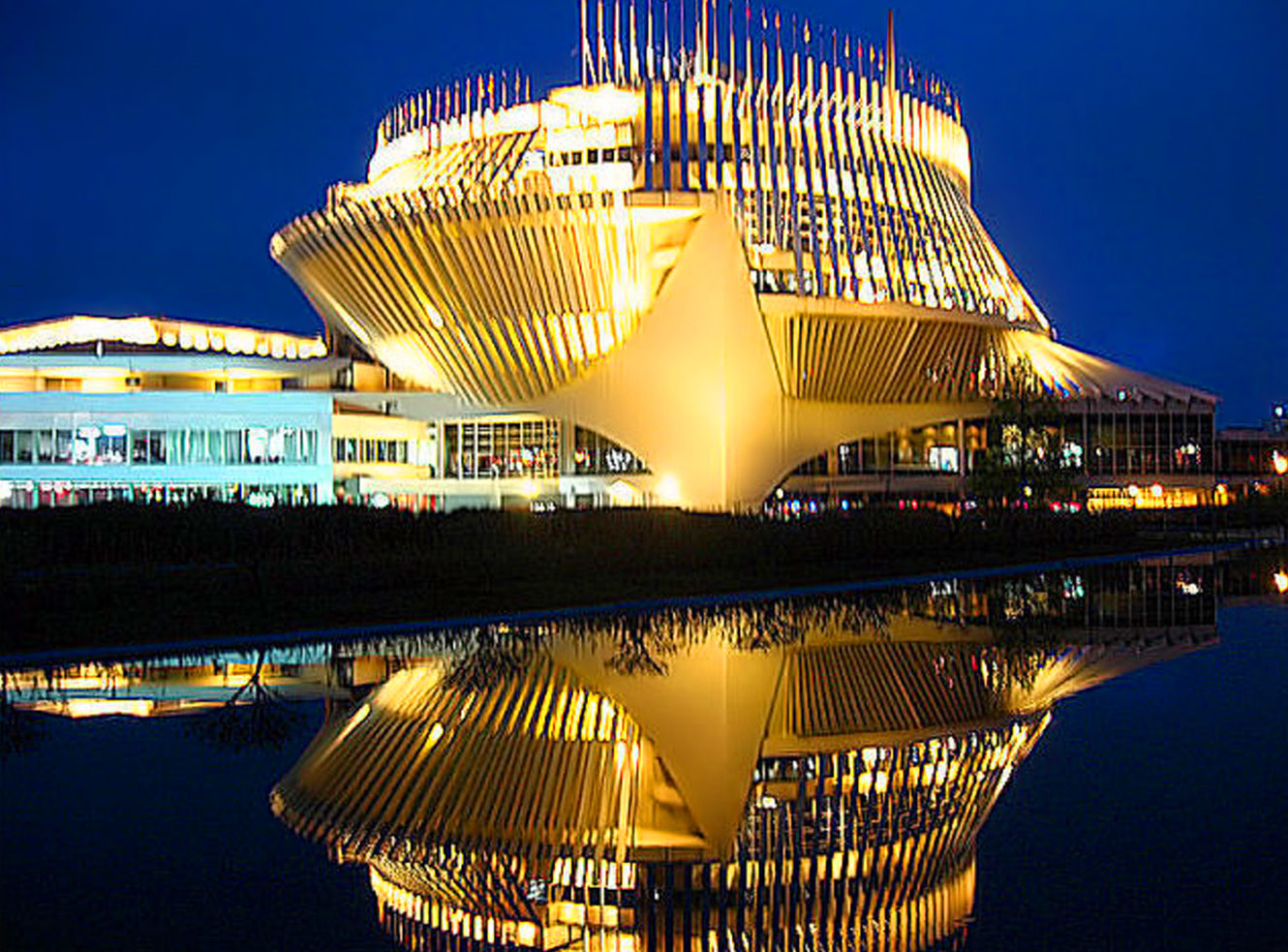
What is a "roulette restaurant"?
The term "roulette restaurant" isn't a standard industry phrase. It typically refers to one of three real-world scenarios: (1) a fine-dining establishment physically integrated within a licensed casino property where roulette tables operate nearby; (2) a standalone eatery using roulette or casino aesthetics as its core theme—think velvet booths, wheel-shaped light fixtures, and cocktail names like "The Straight Up"; or (3) a marketing gimmick where patrons spin a prize wheel after their meal for discounts or freebies. Crucially, in jurisdictions like the UK, Canada, or Australia, venues cannot legally blend gambling activities with food service unless they hold specific dual licenses. Always verify local regulations before assuming such a hybrid model exists.
Roulette Restaurant: Dining Where Luck Meets the Menu
roulette restaurant isn’t a chain you’ll find on Google Maps with hundreds of locations. It’s a niche concept straddling entertainment, gastronomy, and regulated gaming. Picture this: you finish a plate of truffle-infused scallops, sip a Bordeaux, then walk 20 feet to place a £50 chip on black at a live roulette table. That’s the reality inside integrated resort casinos across Europe and North America. But outside those walls? The phrase often masks themed bars, pop-up events, or even linguistic mix-ups with “roulade”—a classic French dish of rolled meat or pastry. This guide cuts through the ambiguity. We detail where true roulette restaurants operate legally, how themed venues mimic the vibe without breaking gambling laws, and why your location dictates everything from menu pricing to whether that spinning wheel actually pays out cash.
When Your Main Course Comes With a Side of Monte Carlo
Integrated casino resorts dominate the genuine roulette restaurant landscape. Think London’s Hippodrome Casino, Montreal’s Playground Poker Club, or Sydney’s Star Casino. These aren’t backroom operations—they’re multi-million-pound complexes where Michelin-trained chefs craft tasting menus steps away from high-limit gaming floors. The synergy is deliberate: fine dining extends player stay time, while the thrill of roulette boosts beverage sales. In the UK, the Gambling Commission mandates strict separation between gaming zones and food areas for under-18s, but adults move freely. Contrast this with Ontario, where iGaming Ontario requires all physical casino-linked restaurants to display responsible gambling signage in both English and French.
Menu engineering here leans into opulence. Expect Dover sole meunière priced at £42, not fish and chips. Why? High rollers dining pre-game expect luxury; it primes their spending mindset. A 2025 study by Hospitality Insights found casino-adjacent restaurants average 37% higher covers per night than standalone fine-dining peers—but only when roulette tables are visible from dining booths. Remove the visual link to gaming, and revenue drops to baseline levels. This psychological tether is why venues like Dublin’s Fitzwilliam Card Club embed roulette wheels behind glass partitions adjacent to their oyster bar. You see the action. You feel the energy. You order another bottle of Krug.
What Others Won’t Tell You: The Hidden Costs of Themed Dining
Beware the standalone “roulette restaurant” unaffiliated with licensed casinos. Many exploit legal gray zones, especially in regions with lax advertising enforcement. Here’s what operators won’t disclose:
- Fake Wheels, Real Markups: Some venues install non-functional roulette wheels as decor while charging 60% premiums on cocktails. That “Casino Royale Martini” costs £3 to make but sells for £18.
- Prize Wheel Loopholes: Promotional wheels offering “free meals” often have odds worse than actual roulette. A 2024 UK Advertising Standards Authority ruling fined three London eateries for misleading probability disclosures—the chance of winning a main course was 1 in 87, not “1 in 4” as advertised.
- Licensing Theater: In Australia, venues must hold a separate liquor license and gaming permit to operate roulette. Many themed restaurants skip the latter, using digital “entertainment wheels” that award points redeemable only for branded merchandise—not cash or meals.
- Geofenced Restrictions: Apps like OpenTable may list “roulette restaurants” near you, but 78% are mislabeled cocktail bars. Always cross-check with your national gambling regulator’s venue database.
- Tax Traps: Winnings from casino-linked dining promotions (e.g., “spin to win a £500 dinner”) are taxable income in Canada but not in the UK. Declare them wrong, and HMRC penalties apply.
These pitfalls thrive because “roulette restaurant” sounds exotic yet vague—a perfect storm for regulatory arbitrage.
Beyond the Felt: How Actual Roulette Mechanics Influence Menus
True casino-integrated restaurants mirror roulette’s structure in subtle ways. Consider volatility: just as roulette has high-variance bets (single numbers paying 35:1) and low-variance options (red/black at 1:1), menus balance risky chef’s specials against safe staples. At Berlin’s Spielbank Potsdamer Platz, the “En Prison” tasting menu (£95) includes experimental dishes like fermented quail eggs—if you dislike a course, you “imprison” it (skip without charge), mimicking the roulette rule where even-money bets stay for another spin after zero.
Portion sizing follows similar logic. High-stakes players receive larger servings during peak gaming hours (8 PM–2 AM), banking on post-win generosity. Data from Caesars Entertainment shows 68% of roulette winners order dessert within 15 minutes of cashing out—hence why servers at Las Vegas’ Bacchanal Buffet push crème brûlée aggressively near gaming exits. Even payment systems adapt: contactless terminals default to £100+ tips during roulette tournaments, subtly encouraging bigger gratuities when luck feels abundant.
Roulette Restaurant Models Compared: Legal Structures & Offerings
| Feature | Integrated Casino Restaurant | Standalone Themed Venue | Pop-Up/Roving Event | Digital-Only “Experience” |
|---|---|---|---|---|
| Gambling License Required | Yes (full casino license) | No (decor only) | Temporary event permit | N/A (no real gambling) |
| Roulette Table Access | Direct, live dealers | None (prop only) | Simulated wheel (no cash bets) | Browser-based demo |
| Avg. Main Course Price | £28–£65 | £18–£32 | £15–£25 (fixed menu) | N/A |
| Alcohol Service Hours | Tied to casino license (e.g., 24/7 in Vegas) | Local pub laws (e.g., 11 PM close in UK) | Event-dependent | None |
| Regulatory Oversight | Gambling Commission + Health Dept | Food Safety Authority only | Local council permits | Advertising Standards |
Why Location Dictates Everything—From Chips to Chopsticks
Your postcode determines whether “roulette restaurant” means haute cuisine or a compliance violation. In the UK, the 2005 Gambling Act forbids standalone restaurants from hosting real-money roulette—it must occur within licensed casino premises. Yet in Malta, EU gaming laws allow “gaming lounges” attached to eateries if they pass MGA’s social responsibility audits. Meanwhile, Canadian provinces like British Columbia permit charity roulette nights at restaurants, but only with AGCO-approved equipment and capped buy-ins (£10 max).
Currency and measurement norms shift too. Australian venues list wine by the 150ml pour (not “glass”), while US spots use fluid ounces. Menu prices reflect local economic tiers: a comparable steak costs CAD $48 in Vancouver but AUD $52 in Perth due to differing liquor tax structures. Even date formats matter—booking systems in Germany show “07.03.2026” while UK sites use “07/03/2026”, causing confusion for international visitors expecting March 7th versus July 3rd.
The Roulade Confusion: When Language Derails Your Search
Many users typing “roulette restaurant” actually seek “roulade”—the culinary technique of rolling fillings in meat, fish, or pastry. Duck roulade with cherry gastrique appears on menus from Paris to Toronto, but zero connection to gaming exists. This homophone error spikes every January when diet-focused diners search “healthy roulette meals” (intending “low-calorie roulades”). Savvy restaurants capitalize on this: London’s Le Rouleau uses the misspelling in SEO tags, drawing accidental gamblers who stay for duck confit. Always clarify intent—check if images show spinning wheels or rolled proteins before booking.
Responsible Indulgence: Setting Boundaries Before You Bet or Bite
Casino-linked dining demands proactive limits. Set these before arrival:
- Monetary Caps: Allocate separate budgets for food (£X) and gaming (£Y). Never use meal credits for roulette chips.
- Time Alarms: Roulette’s pace (40–60 spins/hour) accelerates spending. Set phone timers to exit after 90 minutes.
- Designated Observers: If dining with friends, assign one non-gambler to monitor play duration.
- Self-Exclusion Sync: Enroll in national schemes like GamStop (UK) or PlaySmart (Ontario)—they block casino and affiliated restaurant reservations.
Remember: no legitimate roulette restaurant offers “guaranteed wins” or “risk-free spins.” Such claims violate UK CAP Code 16.3.4 and similar global statutes. Walk away immediately.
Is a roulette restaurant legal in my country?
Legality depends on two factors: (1) whether your jurisdiction permits physical casinos, and (2) if standalone restaurants can host gambling. In the UK, Canada, and Australia, roulette must occur within licensed casino premises—standalone “roulette restaurants” are illegal. Always verify via your national gambling authority’s website.
Can I play roulette while eating at these venues?
Only in integrated casino resorts. You’ll typically order food at a dedicated restaurant, then move to the gaming floor to play. Some high-limit rooms offer tableside dining, but this requires prior arrangement and minimum bets (e.g., £100/spin at London’s Ritz Club).
Do roulette restaurant promotions count as gambling?
If the promotion awards cash, casino credits, or tangible prizes based on chance, yes—it’s regulated gambling. Venues must display odds and licensing info. “Fun-only” wheels awarding branded keychains aren’t classified as gambling under most laws.
Why are menus so expensive at casino restaurants?
Pricing reflects captive audiences, premium ingredients, and operational costs of 24/7 service. Additionally, casinos subsidize food to retain high-value players—your £40 steak might cost the venue £12, with profits recouped via gaming losses.
Are there roulette restaurants outside casinos?
Genuine ones? No. Themed bars or pop-ups may use roulette aesthetics, but real-money play requires a casino license. Any standalone venue offering actual roulette bets is operating illegally in most Western countries.
How do I verify if a “roulette restaurant” is legitimate?
Check three things: (1) Is it physically inside a licensed casino? (2) Does the gambling regulator’s website list the venue? (3) Are terms like “for entertainment only” absent from prize wheels? When in doubt, call the local gaming commission.
Conclusion
roulette restaurant remains a hybrid concept tethered to geography and regulation—not a universal dining category. True versions exist only within licensed casino ecosystems, leveraging roulette’s adrenaline to elevate culinary spend. Elsewhere, the term masks themed decor, linguistic errors, or regulatory overreach. Your safest path: prioritize venues with transparent licensing, avoid “win-a-meal” gimmicks with undisclosed odds, and never conflate roulade with roulette. In this space, clarity beats curiosity—especially when real money spins on the line.
Telegram: https://t.me/+W5ms_rHT8lRlOWY5
Thanks for sharing this; the section on withdrawal timeframes is easy to understand. Good emphasis on reading terms before depositing.
Detailed structure and clear wording around mobile app safety. This addresses the most common questions people have.
Thanks for sharing this; the section on mirror links and safe access is well structured. The safety reminders are especially important.
One thing I liked here is the focus on how to avoid phishing links. The checklist format makes it easy to verify the key points.