
roulette goa 2026

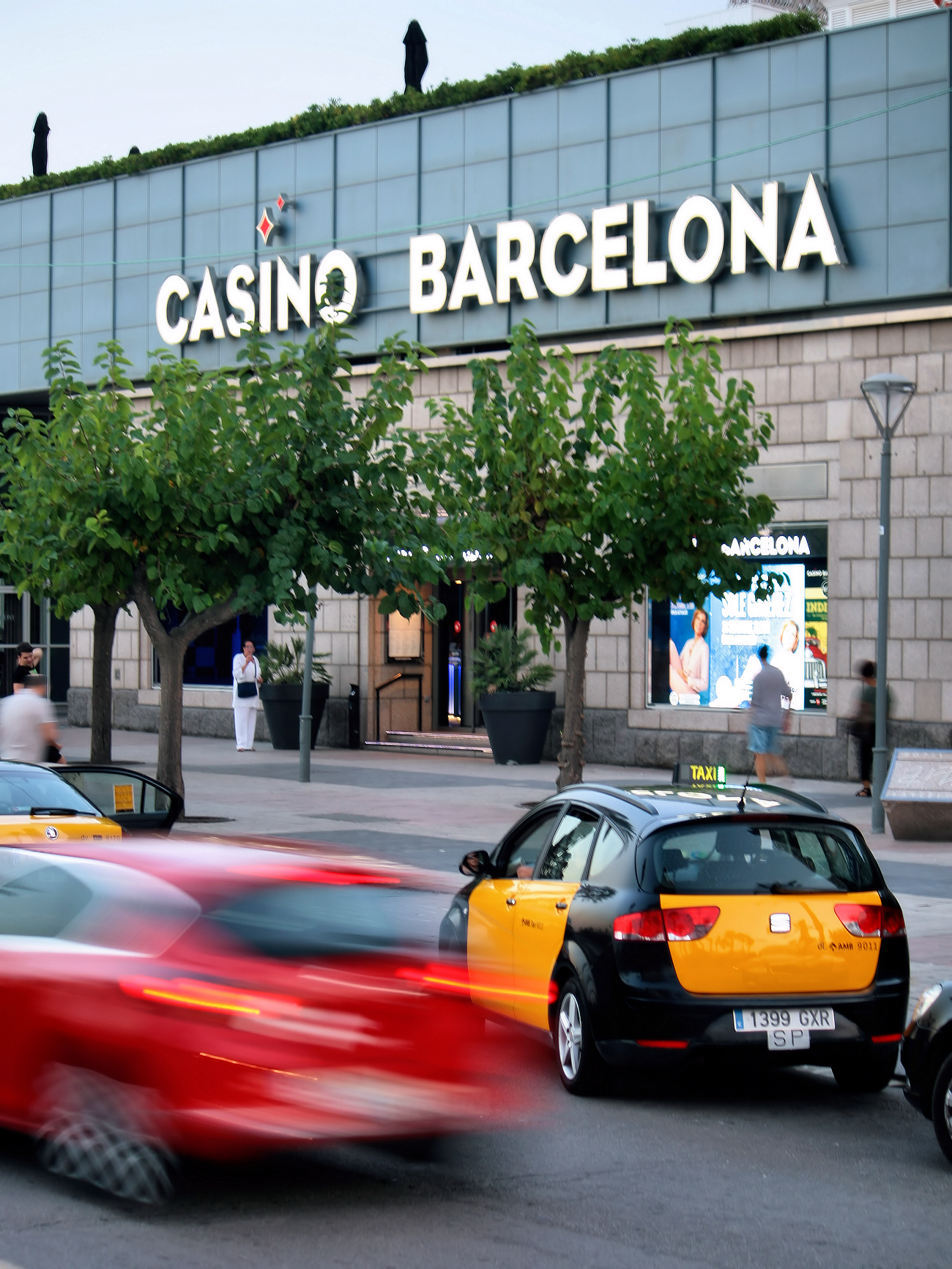
Discover the real legal status, risks, and options for playing roulette in Goa. Play responsibly with verified facts.>
Roulette Goa: Where Luck Meets Legal Complexity
roulette goa isn’t just a phrase—it’s a collision of tourism, tradition, and tightly regulated gambling laws unique to India’s smallest state. While images of beachside casinos and spinning wheels dominate online searches, the reality on the ground is far more nuanced. Unlike Las Vegas or Macau, Goa operates under a patchwork of state-level permissions that restrict casino operations to offshore vessels or five-star hotels with specific licenses. This means your “roulette goa” experience hinges entirely on location, legality, and timing.
Goa remains the only Indian state where casino gaming is partially legal—but only in very specific contexts. Land-based casinos must be attached to government-approved five-star hotels, and floating casinos operate on the Mandovi River under strict licensing from the Goa government. Roulette tables exist in both settings, but access, rules, and even minimum bets vary significantly. Tourists often assume Goa offers unrestricted gambling; in truth, locals face tighter scrutiny, and all players must carry valid photo ID (Aadhaar for residents, passport for foreigners).
The game itself follows standard European or American layouts depending on the venue. Most Goan casinos use single-zero European wheels (RTP ~97.3%), though a few older establishments may still feature double-zero American variants (RTP ~94.7%). Minimum bets typically start at ₹500–₹1,000 on weekdays, rising to ₹2,000+ during peak season (November–February). High-limit rooms cater to VIPs with stakes reaching ₹1 lakh per spin, but these require pre-approval and enhanced KYC checks.
What Others Won’t Tell You About Roulette in Goa
Most travel blogs and casino review sites gloss over critical pitfalls that can turn a dreamy Goan getaway into a legal or financial headache. Here’s what they omit:
-
The “Land vs. Floating” Trap
Many tourists book stays near popular beaches like Baga or Calangute, unaware that all legal casinos are clustered along the Mandovi River in Panaji. Land-based venues like Deltin Royale or Casino Pride require hotel guests to walk through security checkpoints, surrender phones/cameras, and submit to biometric registration. Floating casinos add another layer: boarding is denied without a confirmed reservation, and cancellations within 24 hours incur full-table fees. -
Tax Implications Are Brutal
Winnings above ₹10,000 trigger a 30% TDS (Tax Deducted at Source) under Section 194B of the Income Tax Act—plus 4% health and education cess. Unlike stock gains or lottery prizes, casino winnings offer no deductions or exemptions. A ₹5 lakh jackpot becomes ₹3.35 lakh after tax. Casinos withhold this instantly; you won’t see the full amount credited. -
No Online Roulette Is Legal—Period
Despite aggressive ads from offshore sites claiming “Goa roulette online,” Indian law (Public Gambling Act, 1867 + IT Act, 2000) prohibits real-money online casino games nationwide. Payment processors like Paytm, PhonePe, and UPI block transactions to known iGaming domains. Using crypto or e-wallets doesn’t bypass liability—you risk account freezing under FEMA regulations if funds cross borders. -
Self-Exclusion Isn’t Optional—It’s Enforced
Goa’s Gaming Control Board mandates that all licensed venues implement mandatory cooling-off periods. If you lose ₹5 lakh in a session, staff must intervene. Repeat losses over ₹25 lakh in a month trigger automatic self-exclusion for 6 months. Attempts to circumvent this by visiting multiple casinos activate a shared blacklist via facial recognition systems installed at all entry points. -
The “Free Drink” Myth
Unlike Western casinos, Goan venues rarely offer complimentary alcohol. Goa’s strict liquor licensing means beverages are priced separately—and marked up 300–500%. A ₹300 beer at a bar costs ₹1,200 inside the casino. Factor this into your bankroll; dehydration from salty snacks and warm river air accelerates poor betting decisions.
Comparing Roulette Experiences Across Goa’s Licensed Venues
Not all roulette tables in Goa deliver the same experience. Below is a detailed comparison of operational parameters across the three major licensed operators as of early 2026:
| Venue | Wheel Type | Min Bet (Weekday) | Max Bet | Table Limits (Daily Loss Cap) | Live Dealer Hours | ID Required |
|---|---|---|---|---|---|---|
| Deltin Royale | European (Single Zero) | ₹500 | ₹5,00,000 | ₹10,00,000 | 12 PM – 4 AM | Passport/Aadhaar + Hotel Key Card |
| Casino Pride II | European (Single Zero) | ₹1,000 | ₹3,00,000 | ₹7,50,000 | 2 PM – 6 AM | Passport only (foreigners) |
| Big Daddy Casino | American (Double Zero) | ₹750 | ₹2,00,000 | ₹5,00,000 | 4 PM – 2 AM | Aadhaar + PAN (residents) |
Key observations:
- Deltin Royale offers the highest flexibility for high rollers but enforces the strictest loss monitoring.
- Casino Pride II caters almost exclusively to international tourists; Indian nationals without OCI cards face entry denials.
- Big Daddy’s American wheel reduces RTP by nearly 3%—a hidden cost that compounds over long sessions.
All venues use RFID-chipped chips and overhead AI cameras that track betting patterns. Suspicious behavior (e.g., consistent late-number betting) triggers manual audits. Payouts over ₹50,000 require PAN submission regardless of nationality.
Legal Framework and Cultural Context
Goa’s gambling tolerance stems from its Portuguese colonial legacy, but post-1961 integration into India forced compromises. The Goa, Daman and Diu Public Gambling Act, 1976 permits “games of mere skill” and “electronic amusement” only in designated zones. Roulette—classified as a game of chance—falls under a separate licensing regime administered by the state’s Tourism Department.
Crucially, only offshore vessels and five-star hotels in North Goa qualify. South Goa remains entirely off-limits. Recent amendments (2023) banned advertising of casino services within 5 km of educational institutions—a rule that removed billboards from NH-66 but didn’t stop digital promotions targeting tourists.
Socially, gambling carries stigma among Goan Catholics and Hindu communities alike. While tourists enjoy anonymity, locals risk community censure. This duality explains why most casino staff are migrants from other states—they avoid familial repercussions.
Responsible Play Protocols in Practice
Goa’s casinos implement safeguards exceeding national norms:
- Mandatory breaks: After 90 minutes of continuous play, dealers enforce 15-minute pauses.
- Loss alerts: Digital displays show cumulative session losses every 30 minutes.
- Cashless systems: Physical chips are being phased out for NFC wristbands linked to pre-funded accounts—preventing impulsive top-ups.
- Counseling access: On-site counselors from the National Council on Problem Gambling (India chapter) offer free consultations.
These measures reflect Goa’s attempt to balance revenue (casinos contribute ~12% of state tourism income) with social responsibility. Still, enforcement gaps persist—especially on smaller floating venues lacking AI infrastructure.
Is roulette legal in Goa for Indian citizens?
Yes, but with restrictions. Indian nationals must present valid Aadhaar and PAN cards. Entry may be denied to residents of states where gambling is explicitly banned (e.g., Telangana, Andhra Pradesh). Losses above ₹1 lakh require income verification.
Can I play roulette online in Goa?
No. Online casino games—including live dealer roulette—are illegal under Indian federal law. Offshore sites accepting Indian players operate in legal gray zones and offer no consumer protection. Payment reversals or fraud complaints cannot be pursued locally.
What’s the minimum age to enter a casino in Goa?
21 years. Strict ID checks are enforced. Minors accompanying adults are not permitted beyond reception areas.
Are winnings from roulette taxable in India?
Yes. All casino winnings above ₹10,000 are taxed at 30% plus 4% cess. The casino deducts this before payout. You must declare additional winnings in your annual ITR under “Income from Other Sources.”
Do Goa casinos accept credit cards for buying chips?
No. RBI guidelines prohibit credit card use for gambling transactions. Only debit cards, UPI, or cash are accepted—and cash deposits over ₹2 lakh trigger anti-money laundering (AML) reporting.
Which Goa casino has the best roulette odds?
Deltin Royale and Casino Pride II use single-zero European wheels (house edge: 2.7%). Avoid Big Daddy Casino’s American wheels (house edge: 5.26%) unless you’re specifically seeking higher volatility.
Conclusion
roulette goa exists in a tightly controlled ecosystem where legal access, cultural sensitivity, and financial transparency intersect. It’s not a Wild West of easy wins but a regulated entertainment zone catering primarily to international tourists with disposable income. For Indian visitors, the barriers—documentation, taxation, social perception—are substantial. The smart approach combines advance planning (book table slots online), strict bankroll limits (never exceed 5% of liquid assets), and awareness of exit protocols (cash-out procedures take 48 hours for large sums). Above all, recognize that Goa’s roulette tables are designed for leisure—not livelihood. The house always retains its edge, and the state ensures you pay for the privilege.
Telegram: https://t.me/+W5ms_rHT8lRlOWY5
Thanks for sharing this; it sets realistic expectations about how to avoid phishing links. Good emphasis on reading terms before depositing.
Good reminder about responsible gambling tools. The explanation is clear without overpromising anything. Worth bookmarking.
One thing I liked here is the focus on KYC verification. Good emphasis on reading terms before depositing. Overall, very useful.
This reads like a checklist, which is perfect for payment fees and limits. Nice focus on practical details and risk control.